
Breast Reduction

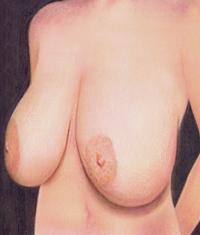
Breast reduction surgery, also called reduction mammoplasty, is a procedure that removes excess breast tissue, fat, and skin to create smaller, lighter, and more proportionate breasts. For many patients, breast reduction is performed to relieve physical symptoms caused by overly large breasts and to improve comfort, mobility, and quality of life.
Large breasts can contribute to chronic neck, shoulder, and back pain, headaches, skin irritation beneath the breast fold, difficulty exercising, and challenges with finding comfortable clothing or participating in daily activities. Breast reduction can help alleviate these symptoms while creating a breast size and shape that better matches a patient’s body.
 |
Surgery
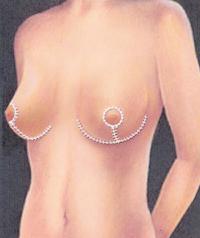
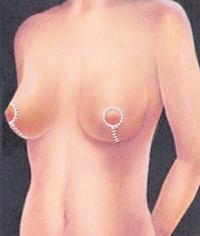
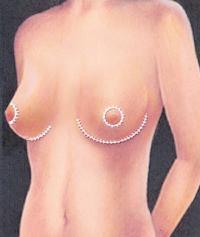
During surgery, the plastic surgeon removes excess tissue and reshapes the remaining breast tissue. The nipple and areola are typically repositioned to a higher, more natural position. Surgical techniques are individualized based on breast size, shape, skin quality, and the patient’s goals.
 |
 |
 |
Recovery and possible complications
Breast reduction is usually performed as an outpatient procedure or with a short hospital stay. Recovery varies between patients, but most individuals gradually return to normal activities over several weeks. Scars are an expected part of the procedure and typically fade over time.
As with any surgery, breast reduction carries potential risks, including bleeding, infection, changes in nipple sensation, asymmetry, delayed wound healing, and the possibility of needing revision surgery. Breastfeeding ability may also be affected in some patients.
A consultation with a plastic surgeon provides an opportunity to discuss your symptoms, goals, and expectations. Together, you can determine whether breast reduction is the right option to improve comfort, function, and confidence.