Moles, Cysts and Skin Blemishes
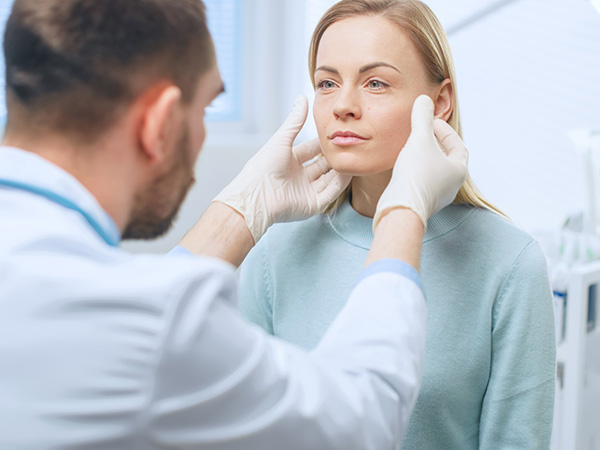
Moles, cysts and skin blemishes are common skin lesions that may develop anywhere on the body. They can vary in size, colour, texture and depth, and may be present from birth or develop over time due to sun exposure, hormonal changes, blocked glands or natural skin ageing.
While many of these lesions are harmless, they may be removed or treated for cosmetic reasons, irritation, recurrent inflammation, or when there is concern about change in appearance. Any lesion that is new, changing, bleeding or symptomatic should be assessed by a qualified clinician to exclude more serious conditions.
Types of Skin Lesions
Skin lesions treated in minor surgical or dermatological procedures commonly include:
- Moles (naevi) – pigmented skin growths that may be flat or raised and vary in colour from light brown to black
- Sebaceous (epidermoid) cysts – slow-growing lumps beneath the skin caused by blocked hair follicles or oil glands
- Skin tags – small, soft, benign growths often found in areas of friction such as the neck, armpits or groin
- Seborrhoeic keratoses – waxy, wart-like lesions that commonly appear with age
- Benign skin lumps – including lipomas (fatty lumps) and other non-cancerous growths
- Surface skin blemishes – including raised or irregular lesions that may cause cosmetic concern or irritation
Indications for Treatment
Treatment may be considered for:
- Cosmetic concerns or visible prominence
- Recurrent irritation from clothing, shaving or friction
- Inflammation or repeated infection (particularly with cysts)
- Bleeding, crusting or trauma to the lesion
- Uncertainty regarding diagnosis or change in appearance
- Patient preference for removal following clinical assessment
Any lesion with suspicious features may require further investigation or excision for histological analysis.
Treatment Options
The choice of treatment depends on the type, size, depth and location of the lesion, as well as whether tissue needs to be sent for laboratory examination.
Common treatment methods include:
- Surgical excision – complete removal of the lesion with a margin of surrounding skin, often used for moles, cysts and deeper lesions
- Punch excision – a circular blade used to remove smaller lesions or cysts
- Shave excision – removal of raised superficial lesions at skin level
- Cyst excision – removal of the cyst wall to reduce the risk of recurrence
- Cautery or electrosurgery – used for selected superficial lesions such as skin tags
- Cryotherapy (freezing) – used for certain benign surface lesions in appropriate cases
When a lesion is removed surgically, it may be sent for histopathological examination to confirm the diagnosis and ensure complete removal.
Moles (Naevi)
Moles are collections of pigment-producing cells in the skin. They may be flat or raised and can change slowly over time. Most moles are benign, but any mole that changes in size, shape, colour, or begins to bleed or itch should be assessed.
Mole removal is typically performed by surgical excision, allowing the entire lesion to be removed and examined under a microscope. This approach ensures both treatment and diagnostic certainty.
Cysts
Cysts are closed sacs beneath the skin that often contain keratin or oily material. They may remain stable for long periods or become inflamed, swollen and painful if infected or ruptured.
Definitive treatment involves complete surgical removal of the cyst wall, as simple drainage alone may lead to recurrence. If a cyst is inflamed, treatment may be delayed until the inflammation settles unless urgent intervention is required.
Skin Blemishes and Benign Lesions
Skin blemishes such as skin tags, seborrhoeic keratoses and other benign growths are common and often increase with age. While medically harmless, they may be removed for comfort, cosmetic improvement or irritation.
Treatment is usually straightforward and performed under local anaesthetic, with minimal downtime in most cases.
What Can Treatment Achieve?
Treatment of moles, cysts and skin blemishes can:
- Remove unwanted or symptomatic skin lesions
- Improve cosmetic appearance and skin smoothness
- Reduce irritation from clothing, shaving or friction
- Prevent recurrent inflammation or infection (particularly in cysts)
- Provide diagnostic certainty through histological examination when required
- Restore confidence in the appearance of the skin
Goal
The goal is to safely remove the lesion while minimising scarring and preserving surrounding healthy skin.
 |
 |
Preparing for Treatment
Most minor skin procedures are performed under local anaesthetic in an outpatient setting. A clinical assessment is carried out beforehand to determine the nature of the lesion and the most appropriate treatment approach.
Patients may be advised to avoid blood-thinning medications or supplements when safe to do so, to reduce the risk of bruising. The area to be treated should be clean and free from active infection.
If there is any uncertainty about the diagnosis, excision and laboratory analysis may be recommended.
Recovery and Risks
Recovery is usually straightforward, with most patients returning to normal activities shortly after treatment. The treated area may be closed with sutures, adhesive strips or left to heal depending on the procedure performed.
Common temporary effects include mild discomfort, swelling, redness and bruising. Sutures, if used, are typically removed after several days to two weeks depending on the location.
Potential risks include bleeding, infection, wound healing problems, scarring, recurrence (particularly with cysts if the wall is not fully removed), changes in skin sensation and cosmetic asymmetry. All procedures carry a small risk of visible scarring, which varies depending on individual healing and lesion size.
Treatment of moles, cysts and skin blemishes is ultimately focused on safe removal of unwanted or symptomatic skin lesions, improvement of skin appearance, and when necessary, ensuring accurate diagnosis through histological assessment while maintaining healthy surrounding tissue and minimising scarring.