
Breast Reconstruction
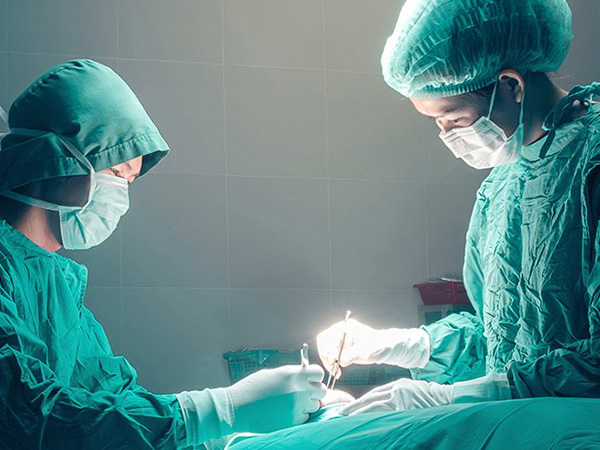
Breast reconstruction is surgery to restore the shape of the breast after a mastectomy or lumpectomy. For many women, reconstruction is an important part of the recovery process after breast cancer treatment. The goal is to create a natural-looking breast while helping patients feel comfortable and confident.
Breast reconstruction is a highly personalized process. During your consultation, your plastic surgeon will discuss your goals, review your treatment plan, and explain the benefits and risks of each option. Together, you will develop a plan that is right for you.
Our team works closely with breast surgeons, oncologists, and other healthcare professionals to provide coordinated, compassionate care throughout your cancer journey. Whether you are considering reconstruction before surgery or years after treatment, we are here to help you understand your options and support you every step of the way.
Reconstruction can be performed at the same time as a mastectomy (immediate reconstruction) or months or years later (delayed reconstruction). The best option depends on your cancer treatment, overall health, body type, and personal preferences.
There are two main types of breast reconstruction:
- Implant-based reconstruction, which uses a breast implant to recreate the breast.
- Autologous (tissue) reconstruction, which uses your own tissue from another part of your body, such as the abdomen, back, or thigh, to create a new breast.
Some patients may also benefit from nipple and areola reconstruction or medical tattooing to complete the reconstruction.
It is important to understand that a “normal” breast will never be obtained with either type of breast reconstruction operation. Realistic expectations are in order; however, patient satisfaction is generally high.
Implant based breast reconstruction
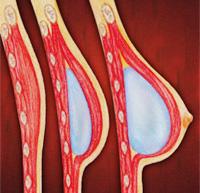 |
Implant-based breast reconstruction is one of the most common methods of rebuilding the breast after a mastectomy. It uses a silicone or saline-filled breast implant to restore the shape and volume of the breast. This option avoids the need to transfer tissue from another part of the body, resulting in a shorter operation and recovery time for many patients.
Reconstruction may be performed immediately at the time of mastectomy or delayed until after cancer treatment is complete. Depending on the amount and quality of the remaining skin, reconstruction may be completed in one stage with a permanent implant or in two stages using a temporary tissue expander that is gradually filled before being exchanged for a permanent implant.
The choice of implant, its position, and the surgical technique are tailored to each patient. Factors such as body shape, cancer treatment, the need for radiation therapy, and personal goals all influence the reconstructive plan.
Implant-based reconstruction can provide excellent cosmetic results and high patient satisfaction. However, like all surgical procedures, it carries potential risks, including infection, bleeding, implant rupture, capsular contracture (scar tissue forming around the implant), and the possible need for future revision surgery. Breast implants are not lifetime devices and may require replacement or additional procedures over time.
A consultation with a plastic surgeon is the best way to determine whether implant-based reconstruction is the right option. Your surgeon will discuss the benefits, limitations, and expected outcomes to help you make an informed decision that aligns with your goals and overall treatment plan.
Autologous breast reconstruction
 |
 |
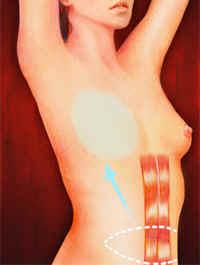 |
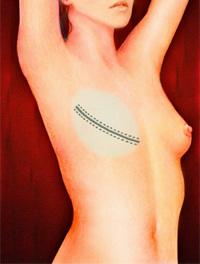
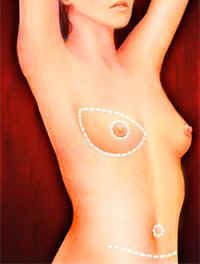
Autologous breast reconstruction uses your own tissue to rebuild the breast after a mastectomy. Tissue is most commonly taken from the abdomen, but it may also come from the back, thigh, or buttock, depending on your body shape and previous surgeries. Because the reconstructed breast is made from your own tissue, it can look and feel more natural and will change with your body over time.
Many autologous reconstructions are performed using microsurgery, where blood vessels from the transferred tissue are connected to blood vessels in the chest using specialized techniques. Common procedures include the DIEP (deep inferior epigastric perforator) flap, muscle-sparing TRAM flap, PAP (profunda artery perforator) flap, and latissimus dorsi flap, with or without an implant.
Autologous reconstruction can be performed at the time of mastectomy (immediate reconstruction) or months or years later (delayed reconstruction). It is often an excellent option for patients who have received or are expected to receive radiation therapy, or for those who prefer to avoid breast implants.
This type of reconstruction involves a longer operation and recovery than implant-based reconstruction because surgery is performed on both the breast and the tissue donor site. As with any surgery, there are risks, including bleeding, infection, delayed wound healing, fat necrosis, hernia or weakness at the donor site, and, rarely, loss of the transferred tissue due to problems with its blood supply.
Every patient is unique. Your plastic surgeon will discuss your health, cancer treatment, body shape, and personal goals to help determine whether autologous reconstruction is the best option for you. Together, you can develop a personalized reconstructive plan that provides the best possible functional and cosmetic outcome.
Additional information
Please also see the ASPS site for further information about Breast reconstruction: as well as: and The UHN Breast Restoration Program, BRA Day (Breast Reconstruction Awareness Day)
Please click here for information from the American Food and Drug Administration (FDA) on ALCL (Anaplastic Large Cell Lymphoma) and breast implants.