
Hand Surgery
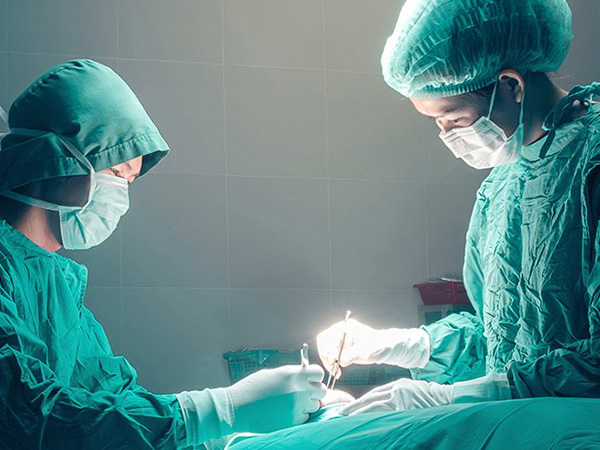
Hand Surgery: Diagnosis and Management
The hand is a highly specialized structure that allows us to perform precise movements, feel and interact with our environment, and complete everyday activities. Because the hand contains a complex network of bones, joints, tendons, nerves, blood vessels, and soft tissues, injuries and conditions affecting the hand require careful assessment and specialized treatment.
Hand surgery involves the diagnosis and management of a wide range of conditions, including traumatic injuries, fractures, tendon injuries, nerve injuries, arthritis, nerve compression disorders, congenital hand differences, infections, tumors, and soft tissue defects.
Diagnosis begins with a detailed history and physical examination to assess movement, strength, sensation, circulation, and function. Additional investigations, such as X-rays, ultrasound, MRI, or nerve testing, may be used when needed to better understand the condition and guide treatment.
Management is tailored to each patient and may include non-surgical treatments such as splinting, medications, injections, and hand therapy, or surgical treatment when required. Surgical options may include fracture fixation, tendon repair, nerve repair or reconstruction, microsurgery, joint procedures, and soft tissue reconstruction.
Successful hand surgery relies on restoring not only anatomy but also function. Rehabilitation with specialized hand therapists is often an essential part of recovery, helping patients regain movement, strength, coordination, and independence.
Carpal Tunnel Syndrome
Diagnosis
Carpal tunnel syndrome is caused by compression of the median nerve at the wrist. Patients commonly experience numbness, tingling, burning pain, or weakness affecting the thumb, index, middle, and half of the ring finger. Symptoms are often worse at night or with activities requiring repetitive hand use. Diagnosis is primarily clinical and may be supported by nerve conduction studies or ultrasound when the diagnosis is uncertain or symptoms are severe.
Treatment
Early treatment may include activity modification, nighttime wrist splinting, anti-inflammatory medications, corticosteroid injections, and hand therapy. Persistent symptoms, muscle weakness, or evidence of nerve damage may require surgical carpal tunnel release to decompress the median nerve and prevent permanent dysfunction.
Trigger Finger
Diagnosis
Trigger finger results from narrowing and inflammation of the pulley system that allows the flexor tendon to glide through the finger. Patients may notice painful clicking, catching, or locking of the finger, often worse in the morning.
Treatment
Initial management may include activity modification, splinting, and corticosteroid injection. If symptoms persist, surgical release of the A1 pulley is a highly effective procedure that allows the tendon to glide normally again.
Dupuytren’s Disease
Diagnosis
Dupuytren’s disease is a progressive thickening and contraction of the palmar fascia, causing nodules or cords in the palm and fingers to bend toward the palm. Diagnosis is made by physical examination, assessing finger contractures and functional limitations.
Treatment
Treatment depends on the degree of contracture and impact on function. Options include observation for mild disease, needle aponeurotomy, or surgical fasciectomy to remove affected tissue. The goal is to improve hand position and function while recognizing that recurrence can occur.
Tendon Injuries
Diagnosis
Flexor and extensor tendon injuries commonly occur after cuts, crush injuries, or trauma. Examination focuses on the ability to actively bend or straighten each finger, tendon continuity, and associated nerve or vascular injuries.
Treatment
Complete tendon lacerations usually require surgical repair followed by a structured hand therapy program. Early controlled motion protocols help optimize tendon healing while minimizing stiffness and adhesions.
Nerve Injuries
Diagnosis
Injuries to the median, ulnar, or radial nerves can result in numbness, weakness, loss of muscle function, or changes in sensation. Assessment includes sensory testing, motor examination, and evaluation of the level and severity of injury. Nerve conduction studies and imaging may assist with diagnosis.
Treatment
Depending on the injury, treatment may include direct nerve repair, nerve grafting, nerve transfers, or tendon transfers to restore function. Early referral is important because nerve recovery occurs slowly and delayed treatment may limit outcomes.
Hand and Wrist Fractures
Diagnosis
Common fractures include distal radius fractures, scaphoid fractures, metacarpal fractures, and finger fractures. Diagnosis requires examination of alignment, stability, movement, circulation, and sensation, supported by X-rays and sometimes CT or MRI.
Treatment
Stable fractures may be managed with splinting or casting. Displaced, unstable, or intra-articular fractures may require surgical fixation using plates, screws, pins, or other devices to restore alignment and allow early movement.
Thumb Arthritis
Diagnosis
Basal joint arthritis affects the joint at the base of the thumb and is a common cause of hand pain, particularly with gripping, pinching, opening jars, or turning keys. Diagnosis is based on examination and X-rays showing joint wear.
Treatment
Treatment includes activity modification, splinting, anti-inflammatory medication, corticosteroid injections, and hand therapy. For advanced arthritis causing persistent pain and disability, surgical reconstruction such as trapeziectomy with ligament reconstruction and tendon suspension may be considered.
Wrist Ganglion Cysts
Diagnosis
Ganglion cysts are fluid-filled sacs that commonly arise from wrist joints or tendon sheaths. Diagnosis is usually clinical, with ultrasound or MRI used in selected cases.
Treatment
Many ganglion cysts can be observed if they are painless. Symptomatic cysts may be treated with surgical excision, particularly when pain, weakness, or functional limitations are present.
Fingertip and Soft Tissue Injuries
Diagnosis
Fingertip injuries require assessment of skin loss, nail bed injury, bone exposure, sensation, and blood supply. The extent of injury determines the reconstructive approach.
Treatment
Treatment options include wound care, nail bed repair, revision procedures, skin grafts, local flaps, or microsurgical reconstruction. The goals are to preserve fingertip length, sensation, durability, and appearance.
Rehabilitation After Hand Surgery
Hand surgery outcomes depend heavily on specialized rehabilitation. Certified hand therapists work with patients to restore range of motion, strength, sensation, and function while preventing stiffness and complications.
Plastic surgeons with expertise in hand surgery combine reconstructive techniques, microsurgery, and rehabilitation principles to provide individualized care focused on returning patients to their work, activities, and quality of life.
In Canada, most of the hand surgery and medical management of complex hand health problems is performed by plastic surgeons.