Facelift
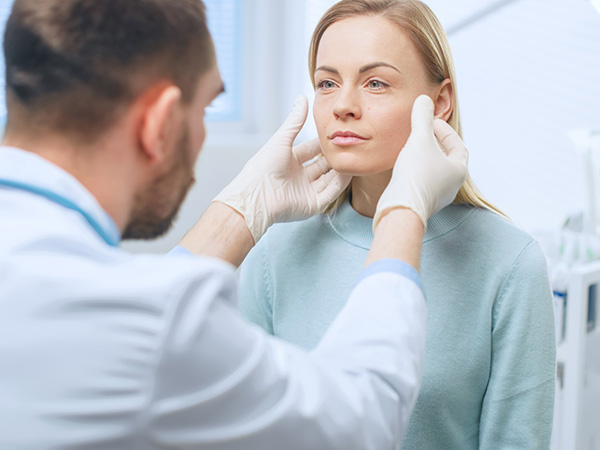
Facelift surgery (also called a rhytidectomy) is a cosmetic procedure designed to improve visible signs of facial aging by repositioning and tightening the deeper facial tissues and removing excess skin. It is commonly performed to address jowling, sagging of the midface, loss of jawline definition and laxity of the lower face and neck, which develop over time due to changes in skin elasticity, fat descent and soft tissue support.
A facelift is not intended to change a person’s fundamental appearance, but rather to restore a more refreshed, rested and naturally youthful facial contour while preserving individual facial characteristics and expression.
Indications for Facelift
As the face ages, the supporting structures gradually descend and the skin becomes less elastic. This can lead to a tired, heavy or prematurely aged appearance, particularly in the lower face and neck.
A facelift may be considered for:
- Sagging or jowling along the jawline
- Deepening of the nasolabial folds (lines from nose to mouth)
- Loss of midface volume and descent of cheek tissues
- Loose or excess skin in the lower face
- Neck laxity or banding
- Poor definition of the jawline and chin–neck angle
- A tired, aged or heavy facial appearance
In many patients, the face and neck are evaluated together, as aging changes in these regions are closely connected and are often best addressed in combination.
 |
 |
Types of Facelift Techniques
There are several surgical approaches to facelift surgery, and the choice depends on anatomy, degree of aging changes, skin quality and desired outcome.
Common techniques include:
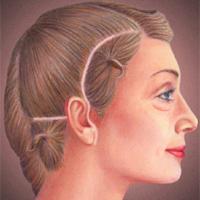
- Mini facelift – A less extensive approach using shorter incisions, typically focused on early jowling and mild lower facial laxity
- SMAS facelift – Repositions and tightens the superficial musculoaponeurotic system (SMAS) to provide more durable and natural-appearing rejuvenation
- Deep plane facelift – Releases and repositions deeper facial tissues as a unit, allowing comprehensive midface and lower face lifting with natural contour restoration
- Extended facelift – Addresses the midface, jawline and neck more extensively, often used in patients with more advanced aging changes
- Neck lift (often combined with facelift) – Focuses on tightening neck muscles, removing excess skin and improving neck contour and definition
Each technique is selected to balance degree of correction, longevity of results, scar placement and individual facial anatomy.
Facelift and Neck Rejuvenation
The face and neck age together, and changes in one region often affect the appearance of the other. In many patients, neck laxity, muscle banding or fat accumulation contributes significantly to an aged appearance.
For this reason, a facelift is frequently performed in combination with a neck lift or submental contouring procedures to achieve a smooth, continuous jawline and improved cervicofacial harmony.
What Can a Facelift Achieve?
A facelift can:
- Reposition sagging facial tissues
- Improve definition of the jawline and lower face
- Reduce jowling and soft tissue descent
- Soften deep facial folds
- Improve neck contour when combined with neck procedures
- Restore a more youthful facial balance and proportion
- Create a refreshed appearance without altering identity
The goal is not to create a tight or over-pulled appearance, but to achieve a natural, rested and harmonious facial rejuvenation that respects facial expression and individuality.
Preparing for Surgery
Ideal candidates for facelift surgery are individuals in good general health with realistic expectations regarding outcomes and recovery. A detailed facial analysis is performed to assess skin quality, tissue descent, volume loss and neck anatomy.
Patients are advised to avoid smoking and nicotine use prior to surgery, as these significantly increase the risk of wound-healing complications and skin compromise. Certain medications and supplements may also need to be adjusted before surgery to reduce bleeding risk.
Recovery and Risks
Recovery after facelift surgery varies depending on the extent of the procedure. Swelling, bruising, tightness and temporary changes in skin sensation are common during the early healing period. Head elevation, limited activity and careful wound care are typically recommended in the initial recovery phase.
Potential risks include bleeding, infection, scarring, asymmetry, nerve injury, skin irregularities, delayed healing, changes in sensation and dissatisfaction with aesthetic outcome. Most patients experience gradual resolution of swelling and progressive refinement of results over several weeks to months.
Facelift surgery is ultimately focused on restoring facial harmony by repositioning descended tissues and creating a more youthful, natural and balanced appearance while preserving expression and individuality.