Burn Reconstruction
Burn Reconstruction
Burn injuries are complex injuries that can affect the skin, underlying tissues, movement, and quality of life. Plastic surgeons play a critical role in the care of patients with burns, from early wound management and reconstruction to long-term scar treatment and restoration of function.
The goals of burn reconstruction are to restore mobility, improve appearance, reduce pain and tightness, and help patients return to their daily activities. Treatment is highly individualized and depends on the depth, location, and extent of the burn, as well as the patient’s overall health and personal goals.
Assessment and Diagnosis
Burns are classified based on their depth and severity:
- Superficial burns: Involve only the outer layer of the skin and typically heal without surgery.
- Partial-thickness burns: Extend into deeper layers of the skin and may require specialized wound care or surgery depending on healing progress.
- Full-thickness burns: Destroy the full depth of the skin and often require surgical reconstruction because the skin cannot regenerate adequately.
First-Degree Burns (Superficial Burns)
Depth
First-degree burns involve only the epidermis, the outermost layer of the skin. The skin remains intact, and there is no destruction of deeper tissue.
Appearance and Symptoms
- Red, dry skin
- Pain and tenderness
- No blistering
- Similar to a mild sunburn
Common Causes
- Sun exposure
- Brief contact with heat sources
Treatment
- Cooling with clean running water soon after injury
- Moisturizers or soothing topical treatments
- Oral pain medication if needed
- No surgery is required
Healing
- Typically heals within 3–7 days
- Does not usually result in scarring
Second-Degree Burns (Partial-Thickness Burns)
Second-degree burns involve injury extending into the dermis, the deeper layer of skin. They are divided into superficial and deep partial-thickness burns.
Superficial Partial-Thickness Burns
Depth
- Extend into the upper dermis
- Skin structures needed for healing remain intact
Appearance and Symptoms
- Red or pink, moist wound surface
- Blister formation
- Significant pain
- Brisk capillary refill
Treatment
- Specialized wound dressings
- Topical antimicrobial agents when indicated
- Pain management
- Regular wound assessment
- Early movement and therapy when near joints
Healing
- Usually heals within 2–3 weeks
- Minimal scarring when healing occurs promptly
Deep Partial-Thickness Burns
Depth
- Extend deeper into the dermis
- Reduced ability of the skin to regenerate
Appearance and Symptoms
- Pale, mottled, or waxy appearance
- Less sensation compared with superficial burns
- Slower healing
Treatment
- Close monitoring by a burn team
- Advanced wound care
- Early surgical evaluation
- Excision and skin grafting may be required if healing is unlikely within an acceptable timeframe
Healing
- May take longer than 3 weeks
- Higher risk of hypertrophic scarring and contractures
Third-Degree Burns (Full-Thickness Burns)
Depth
Third-degree burns destroy the entire epidermis and dermis, extending through the full thickness of the skin. The body cannot regenerate normal skin in these areas.
Appearance and Symptoms
- White, brown, leathery, or charred appearance
- Dry wound surface
- Reduced or absent sensation due to nerve destruction
- May be surrounded by areas of deeper partial-thickness injury
Common Causes
- Flame injuries
- Electrical injuries
- Prolonged contact with heat
- Chemical burns
Treatment
Third-degree burns usually require surgery, including:
- Early excision: Removal of dead burned tissue to reduce infection risk and promote healing
- Skin grafting: Placement of healthy skin from another area of the body to close the wound
- Temporary skin substitutes or advanced biologic dressings in selected cases
Reconstruction
After healing, patients may require procedures to address:
- Scar contractures restricting movement
- Tight scars across joints
- Facial or hand deformities
- Functional limitations
Fourth-Degree Burns (Deep Full-Thickness Burns)
Depth
Fourth-degree burns extend beyond the skin into deeper structures such as:
- Fat
- Muscle
- Tendon
- Bone
Appearance and Symptoms
- Black, charred tissue
- Loss of sensation
- Severe tissue destruction
Treatment
Management may include:
- Extensive surgical debridement
- Skin grafting
- Local or regional flap reconstruction
- Microsurgical free tissue transfer
- In severe cases, reconstruction may involve amputation or complex limb salvage procedures
Assessment includes evaluation of burn depth, size, location, healing potential, and impact on function. Burns involving the face, hands, joints, and genital areas require particular expertise because scarring can significantly affect movement and quality of life.
Acute Burn Management and Reconstruction
Early treatment focuses on wound healing, preventing infection, minimizing scarring, and preserving function. When burns are deep or unlikely to heal on their own, surgical treatment may be required.
Common surgical treatments include:
- Debridement: Removal of damaged or non-viable tissue to promote healing and reduce infection risk.
- Skin grafting: Transfer of healthy skin from another part of the body to cover the burn wound and restore skin coverage.
- Temporary skin substitutes: Specialized materials may be used to protect wounds and support healing in selected patients.
- Early reconstruction: Timely surgical intervention may help reduce scarring and improve functional outcomes.
Scar Management and Burn Reconstruction
Burn scars can cause more than cosmetic concerns. Tight scars may restrict movement, particularly around joints, the neck, hands, and face. Reconstruction may be required months or years after the initial injury.
Treatment options include:
- Scar revision: Removal or rearrangement of scar tissue to improve appearance and function.
- Z-plasty and local tissue rearrangement: Surgical techniques that release tight scars and improve movement.
- Skin grafts: Used when scar tissue must be removed and replaced with healthier skin.
- Local and regional flaps: Transfer of nearby tissue to provide durable coverage and restore contour.
- Microsurgical reconstruction: Transfer of tissue from another part of the body when larger or more complex defects require advanced reconstruction.
Hand and Joint Reconstruction After Burns
Burn injuries affecting the hands and joints can significantly impair function. Reconstruction may involve release of contractures, tendon or joint procedures, skin grafting, and intensive hand therapy. Early rehabilitation is essential to preserve movement and independence.
Rehabilitation and Long-Term Care
Successful burn reconstruction requires a multidisciplinary approach involving plastic surgeons, burn specialists, nurses, physiotherapists, occupational therapists, psychologists, and other healthcare professionals.
Recovery may include:
- Scar massage and compression therapy
- Splinting and stretching programs
- Physical and occupational therapy
- Laser therapy or other scar treatments in selected patients
- Additional reconstructive procedures as scars mature
Burn reconstruction is often a journey rather than a single operation. Through advanced surgical techniques, rehabilitation, and ongoing support, plastic surgeons help patients restore function, confidence, and quality of life after burn injury.
 |
 |
Case study
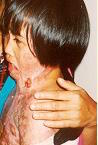
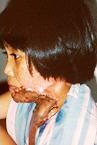
When people are burned across joints, the burns may heal by tightening the skin and restricting joint movement. This is called joint contracture.
Joint contracture occurs quite frequently in poorer countries where skin grafting is not available. The girl in the photo above had a joint contracture of her neck and was not able to move her head side to side or up and down and was also unable to pull up her lower lip to close her mouth and smile. She was skin-grafted by Canadian plastic surgeons on a volunteer surgery mission and is seen one week later with fresh skin grafts able to move her head and close her mouth.