
Breast Lift

A breast lift, or mastopexy, is a surgical procedure that reshapes and elevates the breasts by removing excess skin and repositioning the breast tissue and nipple. It is commonly performed for patients whose breasts have changed with pregnancy, breastfeeding, weight loss, aging, or changes in skin elasticity.
A breast lift can improve breast shape and nipple position but does not significantly increase breast volume. Patients who also desire increased fullness or cleavage may choose to combine a lift with breast augmentation using an implant or fat grafting.
Considerations
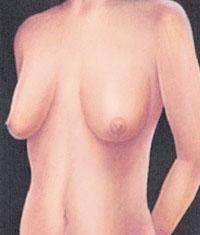
During consultation, the surgeon assesses breast size and symmetry, nipple position, skin quality, breast tissue distribution, and the degree of ptosis. Patients should understand that a breast lift does not prevent future changes in the breast, and pregnancy, significant weight fluctuations, and aging can affect the long-term result.
Procedure
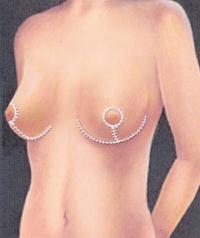
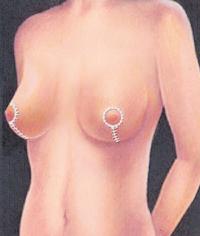
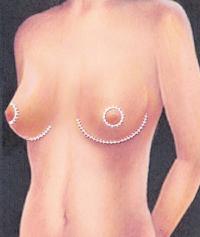
The surgical technique is tailored to the degree of breast drooping (ptosis), breast size, skin quality, nipple position, and desired outcome. Techniques may involve an incision around the areola alone, around the areola with a vertical incision, or a vertical incision combined with an incision in the breast fold (an inverted-T or Wise-pattern lift). The goal is to remove excess skin, reshape and support the breast tissue, and position the nipple and areola higher on the breast while maintaining appropriate blood supply and sensation.
Potential complications
Potential complications include bleeding, infection, delayed wound healing, changes in nipple or breast sensation, asymmetry, changes in nipple or areola shape, visible or widened scars, recurrent drooping, and the need for revision surgery. Rarely, problems with blood supply to the nipple or breast skin can occur.
Goals
The goal of mastopexy is to create a higher, more youthful and balanced breast shape, while maintaining proportions that are appropriate for the patient’s individual anatomy and goals.
 |
 |
 |
 |