Body Contouring
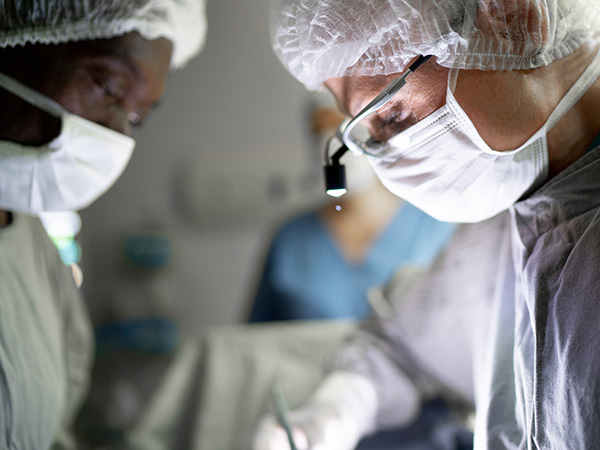
Body contouring refers to a group of plastic surgery procedures designed to reshape areas of the body where excess skin, localized fat and changes in tissue support create loose or irregular contours. These changes may occur after significant weight loss, pregnancy, aging or changes in body composition.
Body contouring is not a weight-loss procedure. It is intended to address the excess skin and soft-tissue changes that remain after weight has stabilized and cannot be corrected through diet and exercise alone.
Abdominal contouring
The abdomen is one of the most common areas treated with body contouring. After pregnancy or significant weight loss, patients may have excess abdominal skin, localized fat and separation or laxity of the abdominal wall.
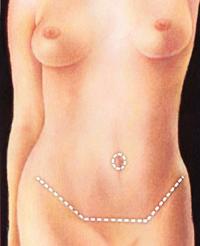
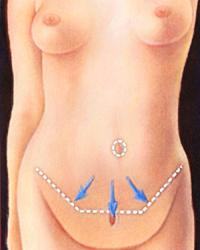
An abdominoplasty (tummy tuck) removes excess lower abdominal skin and fat and can tighten the abdominal wall when muscle separation or laxity is present. The remaining skin is redraped to create a flatter and more defined abdominal contour.
In selected patients, liposuction may be combined with abdominoplasty to improve contour around the abdomen, waist and flanks.
Body contouring after major weight loss
Significant weight loss can leave substantial amounts of loose skin involving the abdomen, thighs, arms, back and breasts. This excess skin may cause chafing, rashes, difficulty exercising, problems with clothing and limitations in mobility, in addition to aesthetic concerns.
 |
 |
Depending on the distribution of excess tissue, procedures may include:
- Abdominoplasty or panniculectomy
- Lower body lift or belt lipectomy
- Thigh lift
- Arm lift (brachioplasty)
- Back lift
- Breast lift or breast reduction
- Upper body lift
These procedures can often be staged or combined depending on the patient’s health, anatomy and surgical goals.
Panniculectomy vs. abdominoplasty
A panniculectomy primarily removes a large overhanging apron of lower abdominal skin and fat. It can improve hygiene, mobility and problems associated with skin folds but does not necessarily address the abdominal wall or provide the same degree of aesthetic contouring as an abdominoplasty.
An abdominoplasty is a more comprehensive contouring procedure that removes excess skin and may include tightening of the abdominal wall and additional contouring of the waist and abdomen.
Liposuction
Liposuction removes localized deposits of subcutaneous fat that are resistant to diet and exercise. It is most effective in patients with relatively good skin elasticity and is used to refine body contours rather than produce major weight loss.
Common treatment areas include the abdomen, flanks, thighs, hips, arms, back and submental region.
Liposuction may be performed alone or combined with skin-excision procedures to optimize overall contour.
Thigh and arm contouring
Excess skin of the upper arms or thighs can persist after significant weight loss. A brachioplasty (arm lift) removes excess upper-arm skin and reshapes the arm, while a thigh lift removes excess tissue from the inner or medial thigh.
Because these procedures require incisions along areas of skin excess, the location and extent of scarring are carefully discussed before surgery.
What can body contouring achieve?
Body contouring can:
- Remove excess, hanging skin
- Improve body proportions and contour
- Reduce localized areas of excess fat
- Improve mobility and exercise tolerance when excess tissue is restrictive
- Reduce skin-on-skin friction and irritation
- Improve the fit and range of clothing
- Restore body contours following major weight loss or pregnancy
Goal
The goal is not simply to remove as much tissue as possible, but to create a balanced contour while preserving function, blood supply and a safe amount of tissue.
Preparing for surgery
The best candidates are generally at or near a stable, sustainable weight, are medically optimized and have realistic expectations regarding both results and scarring. Smoking and nicotine use significantly increase the risk of wound-healing complications and should be addressed before surgery.
Body contouring procedures can involve substantial incisions and recovery. Depending on the number and extent of procedures required, treatment may be performed in stages to maximize safety.
Recovery and risks
Recovery varies according to the procedure performed. Patients should expect swelling, bruising, temporary changes in sensation and activity restrictions during the early recovery period. Compression garments are commonly used following many body-contouring procedures.
Potential complications include bleeding, infection, seroma, wound-healing problems, changes in sensation, contour irregularities, asymmetry, blood clots and scarring. Patients undergoing extensive body contouring require careful assessment and appropriate strategies to reduce the risk of venous thromboembolism (VTE).
Body contouring is ultimately about restoring proportion, comfort and function by removing tissue that the body cannot eliminate through weight loss or exercise alone..