
Blepharoplasty (Eyelid Lift)
Upper and lower eyelid blepharoplasty
Blepharoplasty is a surgical procedure that rejuvenates the upper and/or lower eyelids by removing or repositioning excess skin and, when appropriate, addressing underlying fat and muscle. Eyelid surgery can improve a tired or aged appearance while preserving a natural facial expression and the important protective function of the eyelids.
Upper eyelid blepharoplasty
With aging, the upper eyelid can develop excess skin, protruding orbital fat and changes in the eyelid crease, creating a heavy or tired appearance. In some patients, excess upper eyelid skin can also interfere with the superior visual field.
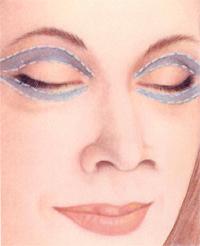
Upper blepharoplasty is performed through an incision hidden within the natural upper eyelid crease. Carefully planned amounts of excess skin are removed, with selective treatment of underlying muscle and orbital fat when indicated. The goal is not simply to remove skin, but to create an open, refreshed appearance while maintaining adequate eyelid closure and a natural eyelid contour.
In patients with significant brow descent, eyelid surgery may be combined with a brow lift, as brow position can contribute substantially to upper eyelid heaviness.
Lower eyelid blepharoplasty
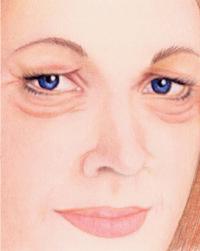
Lower eyelid aging is more complex and may involve skin laxity, lower eyelid muscle changes, orbital fat herniation, tear-trough deformity and loss of midface volume.
Lower blepharoplasty is individualized according to the patient’s anatomy. Excess orbital fat may be removed or repositioned to reduce under-eye bags and improve the transition between the lower eyelid and cheek. When appropriate, the procedure may also address excess skin and muscle.
For selected patients, a transconjunctival approach can be used, placing the incision inside the lower eyelid and avoiding a visible external scar. When significant skin excess is present, an external incision just below the eyelashes may be required.
Lower eyelid surgery may also incorporate canthal support or tightening procedures when eyelid laxity is present. This is important for maintaining appropriate lower eyelid position and minimizing complications such as lower eyelid malposition or ectropion.
Blepharoplasty can:
- Reduce excess upper eyelid skin and heaviness
- Improve the appearance of eyelid hooding
- Reduce or reposition prominent lower eyelid fat
- Improve under-eye bags and the eyelid–cheek transition
- Restore a more youthful and rested appearance
- Improve the superior visual field in appropriately selected patients with functional upper eyelid skin excess
- Preserve a natural appearance rather than creating an excessively hollow or “operated” look
The procedure is highly individualized. Not every patient benefits from simply removing fat or skin; some patients require fat repositioning, volume preservation, brow elevation or eyelid tightening to achieve the best functional and aesthetic result.
 |
 |
 |
Recovery
Swelling and bruising are expected after eyelid surgery and are generally most noticeable during the first several days. Most patients can gradually return to normal activities over approximately 1–2 weeks, although subtle swelling can persist for several weeks or longer. Incisions typically mature and become less noticeable with time.
As with any surgery, potential complications include bleeding, infection, asymmetry, dry or irritated eyes, changes in eyelid position, difficulty closing the eyes, scarring and the need for revision surgery. A careful preoperative assessment of eyelid position, skin quality, tear production, ocular surface health, brow position and eyelid laxity helps minimize these risks.
Blepharoplasty should be performed with a focus on both aesthetic rejuvenation and preservation of normal eyelid function.